






Childhood Obesity Unveiled: Causes, Symptoms, and Consequences for a Healthier Future
By: Admin Date: 04-Jul 2023 Reading Time: 5 Mins
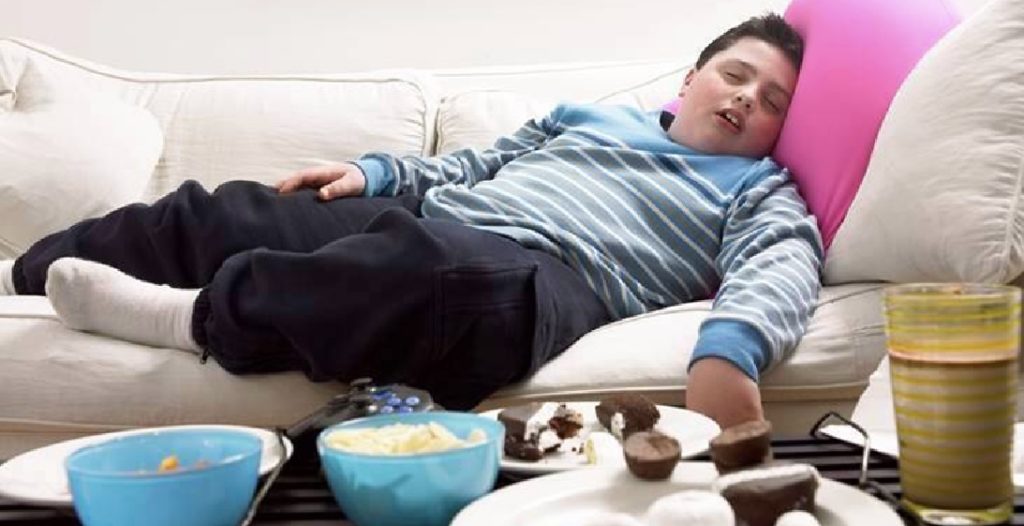
Childhood obesity is a pressing issue affecting children and adolescents worldwide. To shed light on this problem and promote a healthier future, let’s explore the causes, symptoms, and consequences of childhood obesity in a concise, point-wise manner:
Ø Causes of Childhood Obesity:
- Poor Diet: Excessive consumption of calorie-dense, nutrient-poor foods like fast food, sugary snacks, and beverages contributes to weight gain.
- Sedentary Lifestyle: Limited physical activity, increased screen time, and reduced outdoor play lead to an energy imbalance, where calorie intake exceeds expenditure.
- Genetics: Some children may have a genetic predisposition to obesity, although genetics alone cannot explain the rising obesity rates.
- Environmental Factors: Easy access to unhealthy foods, food marketing targeted at children, and socioeconomic conditions impacting access to nutritious options contribute to the obesity epidemic.
- Family and Social Factors: Family habits, parenting practices, and socioeconomic status influence a child’s diet and physical activity levels.
Ø Symptoms of Childhood Obesity:
- Body Mass Index (BMI): A BMI at or above the 95th percentile for age and sex indicates obesity.
- Increased Body Weight: Obese children often have noticeable weight gain and larger body sizes than their peers.
- Physical Health Issues: High blood pressure, type 2 diabetes, joint problems, asthma, sleep apnea, and early signs of heart disease are common health problems associated with childhood obesity.
- Psychological and Emotional Issues: Low self-esteem, depression, and social isolation can arise due to bullying or discrimination based on weight.
Ø Consequences of Childhood Obesity:
- Health Risks in Childhood: Obese children are at higher risk of developing chronic conditions like type 2 diabetes, high blood pressure, and abnormal lipid profiles.
- Long-term Health Risks: Childhood obesity often persists into adulthood, increasing the likelihood of obesity-related diseases such as heart disease, stroke, certain cancers, and osteoarthritis.
- Psychosocial Effects: Poor self-image, low self-esteem, depression, anxiety, and social stigmatization can impact the mental well-being of obese children.
- Academic Challenges: Childhood obesity is linked to decreased academic performance, lower cognitive function, and reduced attention span.
Ø Promoting a Healthier Future:
- Balanced Diet: Encourage healthy eating habits, emphasizing fruits, vegetables, whole grains, and lean proteins while limiting sugary and high-fat foods.
- Physical Activity: Promote regular exercise and limit sedentary behaviors by encouraging participation in sports, outdoor play, and other physical activities.
- Family Involvement: Engage the entire family in adopting healthy habits, making it a collective effort to improve nutrition and increase physical activity levels.
- Education and Awareness: Raise awareness about healthy lifestyles, proper nutrition, and the risks associated with childhood obesity in schools, communities, and healthcare settings.
- Policy Changes: Advocate for policies that promote healthier environments, such as regulations on food marketing to children, improved school nutrition standards, and increased access to affordable, nutritious foods.
- Preventing and addressing childhood obesity necessitates a comprehensive, multi-sectoral approach involving families, schools, healthcare providers, policymakers, and the community.
- Early intervention, education, and supportive environments are vital to ensuring a healthier future for our children.
In conclusion, childhood obesity is a multifaceted issue with severe implications for children’s physical and mental well-being. By understanding the causes, recognizing the symptoms, and addressing the consequences of childhood obesity, we can take the necessary steps to promote healthier lifestyles and create a brighter future for the next generation.